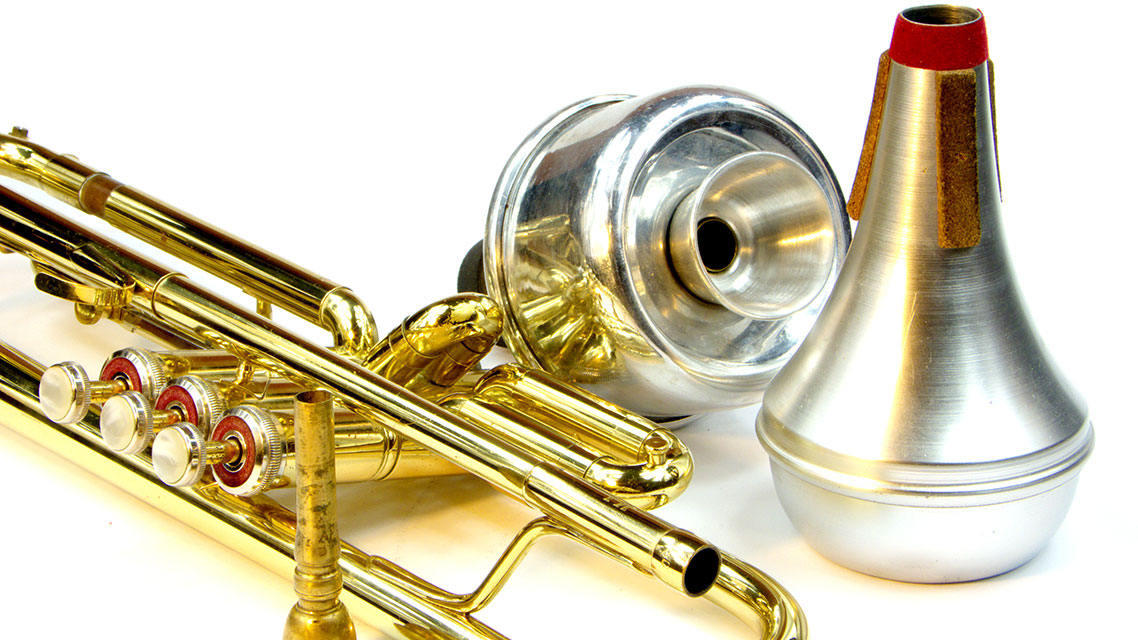
Trumpet Mutes

Brass Mutes

[vc_row row_type="row" use_row_as_full_screen_section="no" type="full_width" text_align="left" video="" css_animation="" box_shadow_on_row="no"][vc_column][vc_column_text] Overview [/vc_column_text][vc_column_text]A mute is a device fitted to a musical instrument to alter the sound produced: by affecting the timbre (or "tone"), reducing the volume, or most commonly both.[/vc_column_text][vc_separator type="transparent" up="12"][vc_column_text]A variety of mutes have been used on brass instruments, most of which either squeeze inside the bell of the instrument, or are hung or clipped to the outside of the bell. The most common type is the straight mute, a hollow, cone-shaped mute that fits into the bell of the instrument. The second most common...
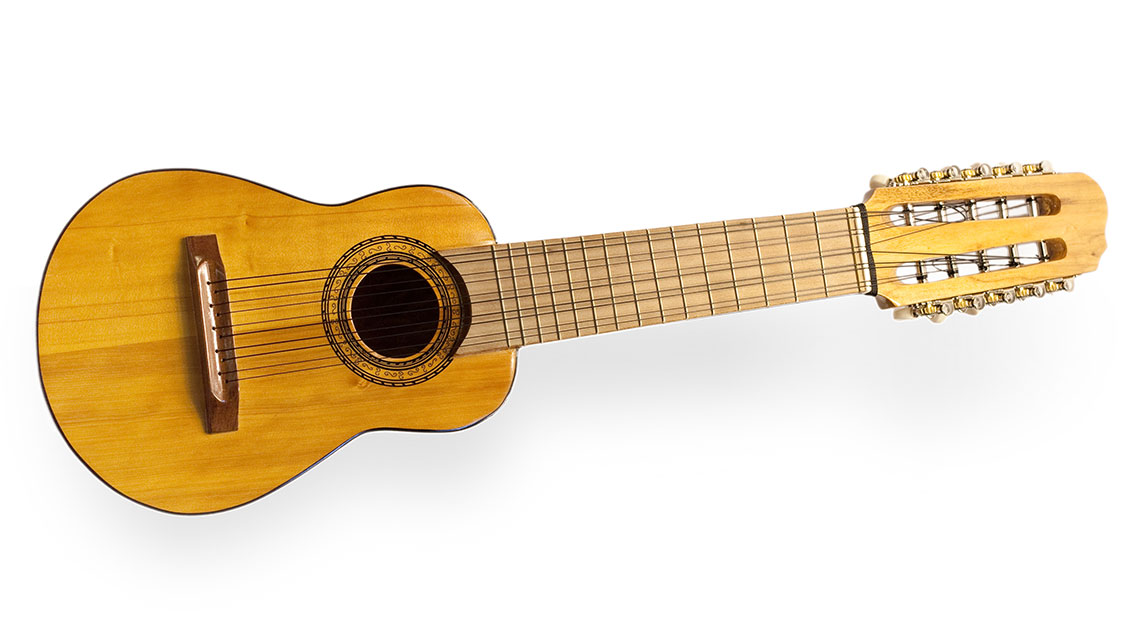
Charango

Charango

[vc_row row_type="row" use_row_as_full_screen_section="no" type="full_width" text_align="left" video="" css_animation="" box_shadow_on_row="no"][vc_column][vc_column_text]The charango is a small Andean stringed instrument of the lute family, which probably originated in the Quechua and Aymara populations in post-Columbian times, after European stringed instruments were introduced by the Spanish during colonization. The instrument is widespread today throughout the Andean regions of Ecuador, Bolivia, Peru, northern Chile and northwestern Argentina, where it is a popular musical instrument which exists in many variant forms.[/vc_column_text][vc_separator type="transparent" up="12"][vc_column_text]About 66 cm long, the charango was traditionally made with the shell from the back of an armadillo, but also it can be made of wood, which some believe to be...

Hammered Dulcimer

Hammered Dulcimer

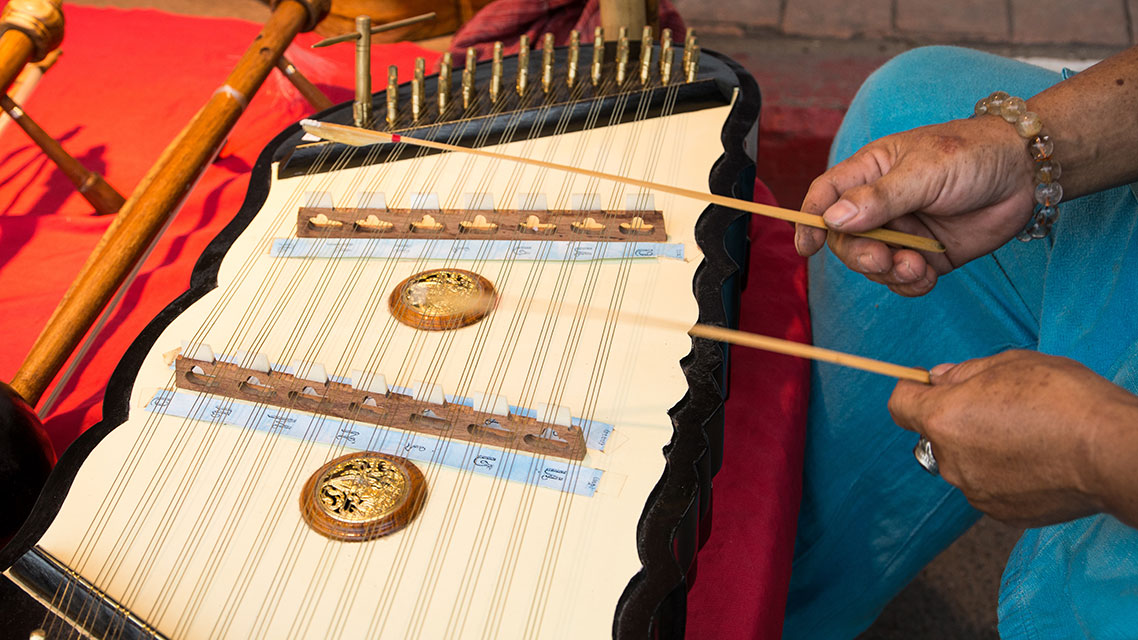
[vc_row row_type="row" use_row_as_full_screen_section="no" type="full_width" text_align="left" video="" css_animation="" box_shadow_on_row="no"][vc_column][vc_column_text]The hammered dulcimer is a percussion instrument and stringed instrument with the strings typically stretched over a trapezoidal sounding board. The hammered dulcimer is set before the musician, who may sit cross legged on the floor or on a stool at a wooden stand on legs. The player holds a small spoon shaped mallet hammer in each hand to strike the strings (cf. Appalachian dulcimer). The Graeco-Roman dulcimer (sweet song) derives from the Latin dulcis (sweet) and the Greek melos (song). The dulcimer, in which the strings are beaten with small hammers, originated from the psaltery, in...

Electric Baritone Violin

Electric Baritone Violin

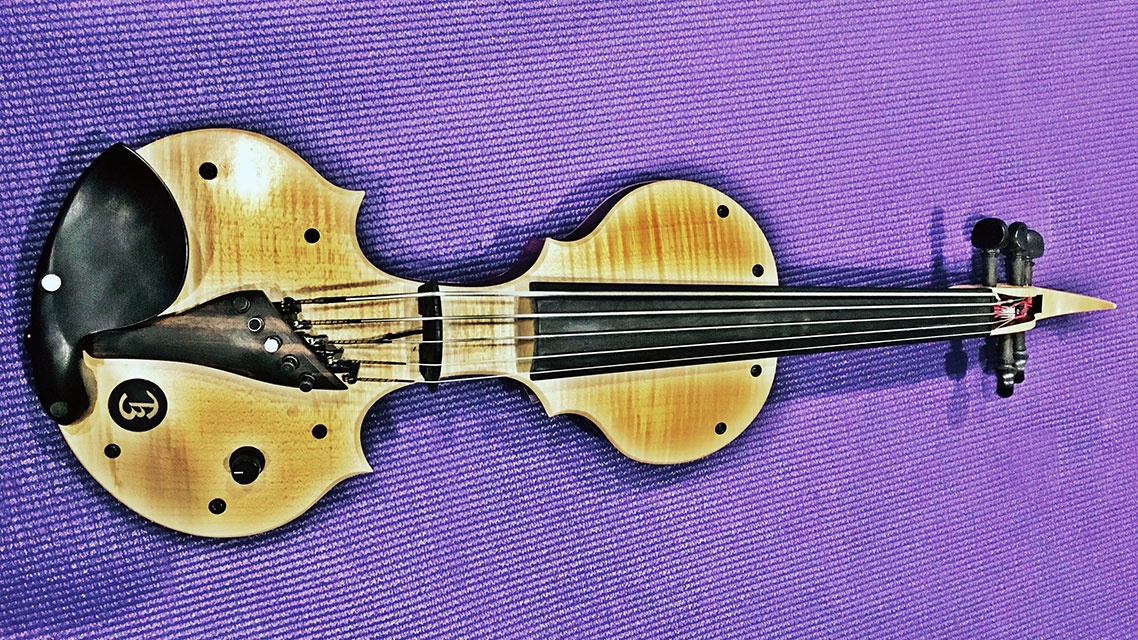
[vc_row row_type="row" use_row_as_full_screen_section="no" type="full_width" text_align="left" video="" css_animation="" box_shadow_on_row="no"][vc_column][vc_column_text]An electric violin is a violin equipped with an electronic output of its sound. The term most properly refers to an instrument intentionally made to be electrified with built-in pickups, usually with a solid body. It can also refer to a violin fitted with an electric pickup of some type, although "amplified violin" or "electro-acoustic violin" are more accurate in that case.[/vc_column_text][vc_separator type="transparent" up="12"][vc_column_text]A Baritone violin is a member of the violin family and has two specific meanings: a violin tuned an octave below conventional violin tuning (G2–D3–A3–E4). This is commonly accomplished by...

Bowed Psaltery

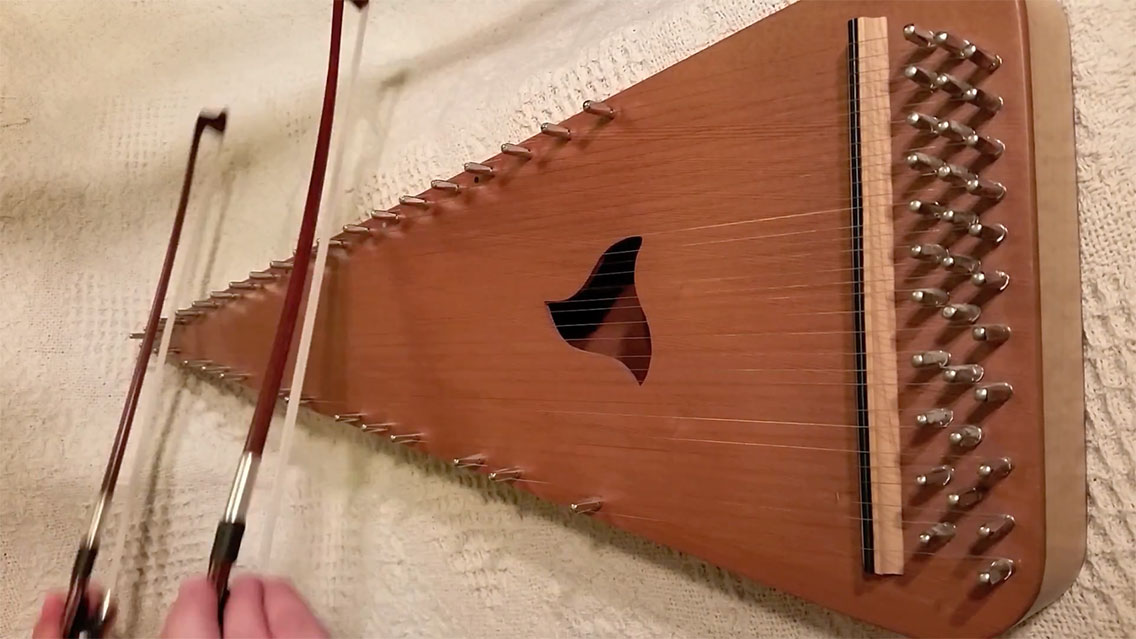
[vc_row row_type="row" use_row_as_full_screen_section="no" type="full_width" text_align="left" video="" css_animation="" box_shadow_on_row="no"][vc_column][vc_column_text]The bowed psaltery is a type of psaltery or zither that is played with a bow. In contrast with the centuries-old plucked psaltery, the bowed psaltery appears to be a 20th-century invention.[/vc_column_text][vc_separator type="transparent" up="12"][vc_column_text] History [/vc_column_text][vc_column_text]In 1925 a German patent was issued to the Clemens Neuber Company for a bowed psaltery which also included a set of strings arranged in chords, so that one could play the melody on the bowed psaltery strings, and strum accompaniment with the other hand. These are usually called "violin zithers".[/vc_column_text][vc_separator type="transparent"...

Taishōgoto

Taishōgoto

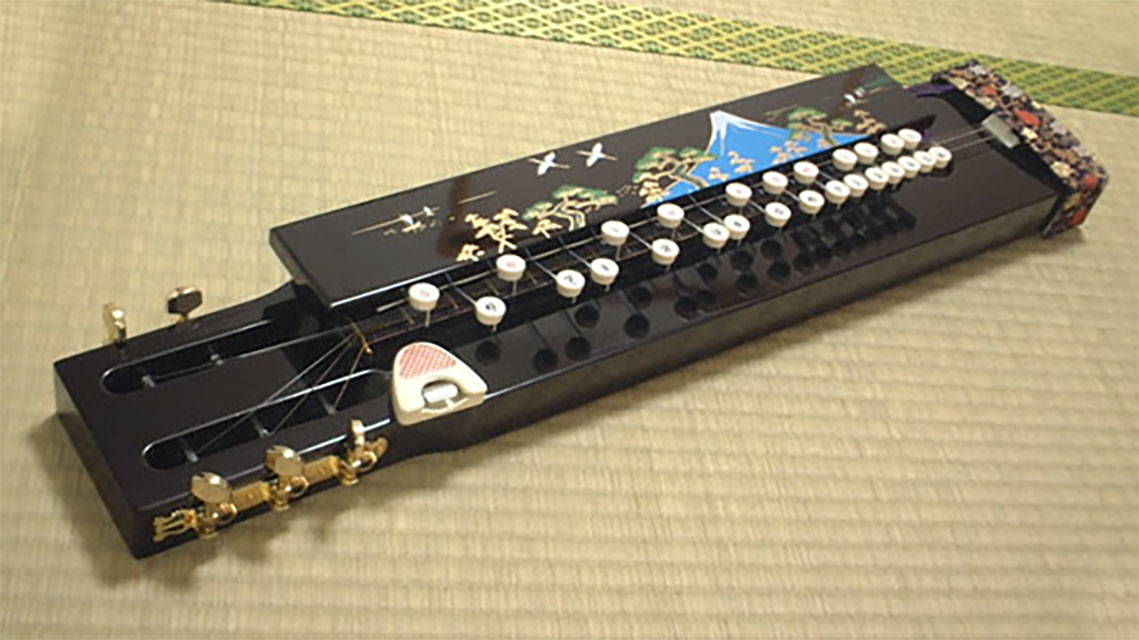
[vc_row row_type="row" use_row_as_full_screen_section="no" type="full_width" text_align="left" video="" css_animation="" box_shadow_on_row="no"][vc_column][vc_column_text]The taishōgoto, or Nagoya harp, is a Japanese stringed musical instrument. The name derives from the Taishō period (1912–1926) when the instrument first appeared. It has also become naturalized in East Africa, often under the name Taishokoto.[/vc_column_text][vc_separator type="transparent" up="12"][vc_column_text] History [/vc_column_text][vc_column_text]The taishōgoto was developed in 1912 by the musician Gorō Morita in Nagoya. He had received a scholarship from the first prime minister of Japan to study music instruments in Europe and the United States for two years. He subsequently came up with the idea of combining the...

Bandolin

Bandolin

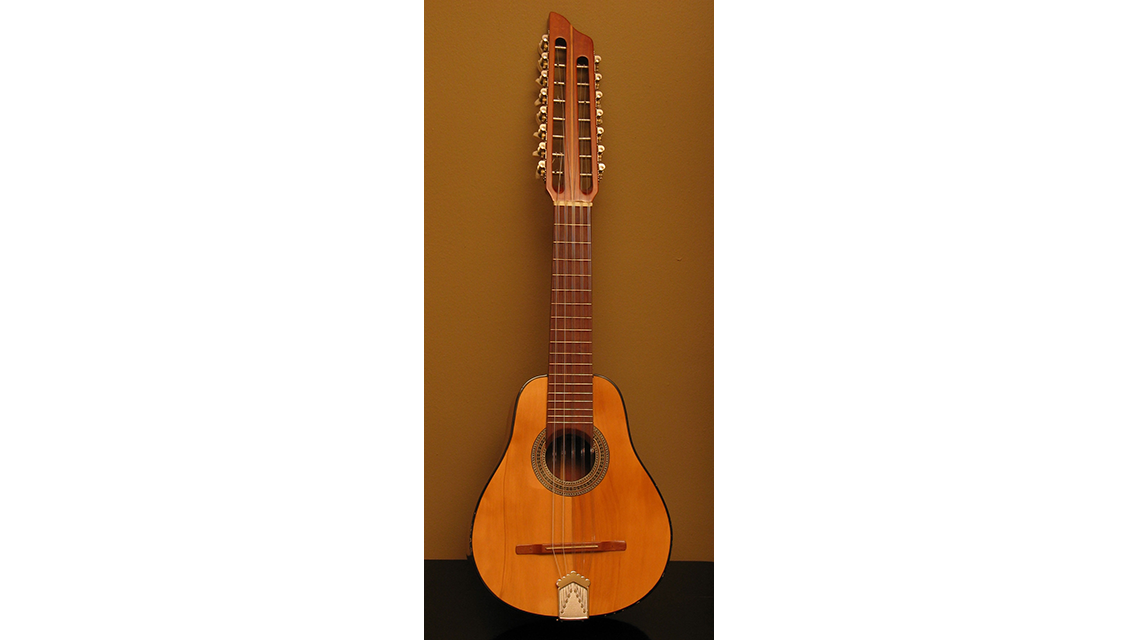
[vc_row row_type="row" use_row_as_full_screen_section="no" type="full_width" text_align="left" video="" css_animation="" box_shadow_on_row="no"][vc_column][vc_column_text]The Bandolin is a 15-stringed musical instrument in Ecuador.  It is used as a rhythm and melody instrument in the Andean region of Ecuador during festivals where dancing and music are involved. It has a flat back and 15 strings in triple courses.[/vc_column_text][vc_separator type="transparent" up="12"][vc_column_text] Uses [/vc_column_text][vc_column_text]In the Andean region of Ecuador, the bandolin is used during the celebration of the feasts of San Juan and San Pedro, along with several other instruments including: twin flutes, guitars, violins, quenas, a drum, a charango,...