Bodhrán

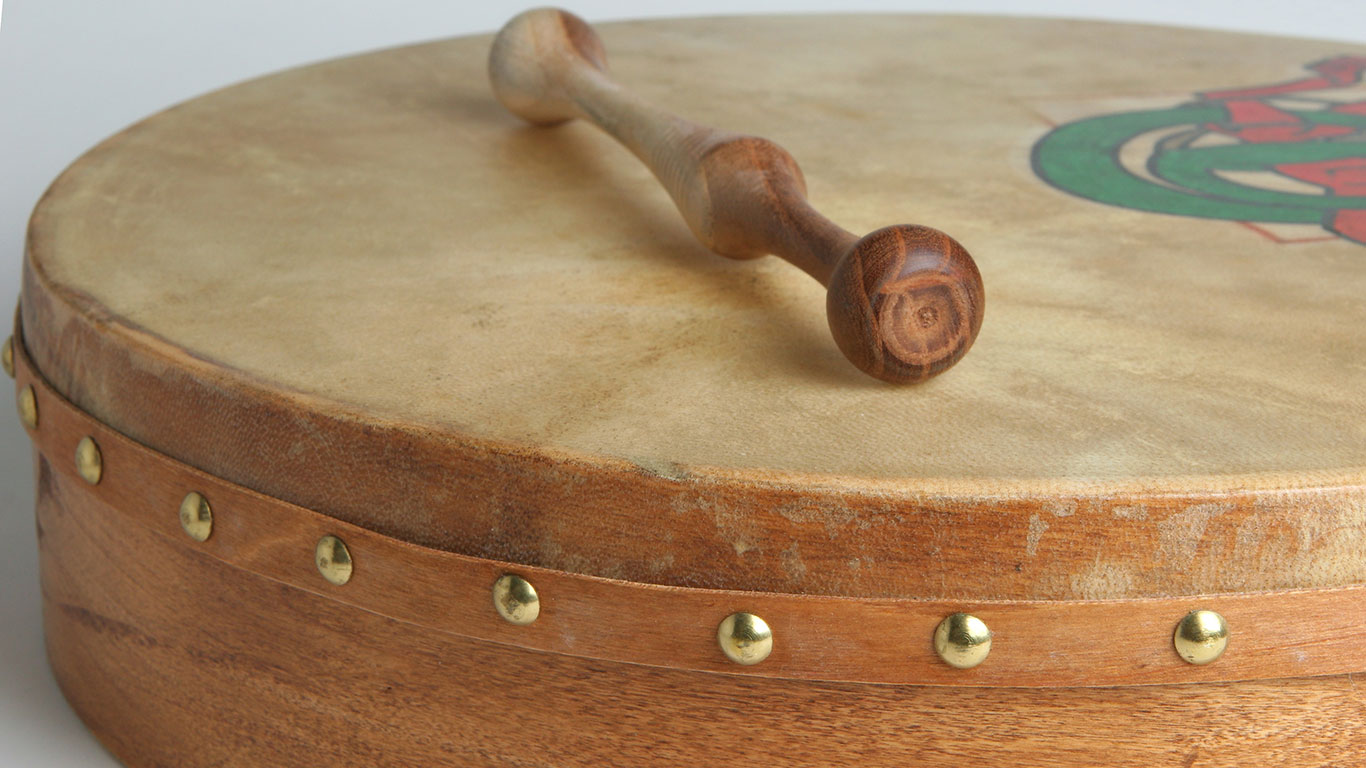
[vc_row row_type="row" use_row_as_full_screen_section="no" type="full_width" text_align="left" video="" css_animation="" box_shadow_on_row="no"][vc_column][vc_column_text]The bodhrán (plural bodhráin or bodhráns) is an Irish frame drum ranging from 25 to 65 cm (10–26 in) in diameter, with most drums measuring 35–45 cm (14–18 in). The sides of the drum are 9–20 cm (3 1⁄2–8 in) deep. A goatskin head is tacked to one side (synthetic heads or other animal skins are sometimes used). The other side is open-ended for one hand to be placed against the inside of the drum head to control the pitch and timbre.[/vc_column_text][vc_separator type="transparent" up="12"][vc_column_text]One or two crossbars, sometimes removable, may be inside the frame, but this is increasingly rare...
Udu

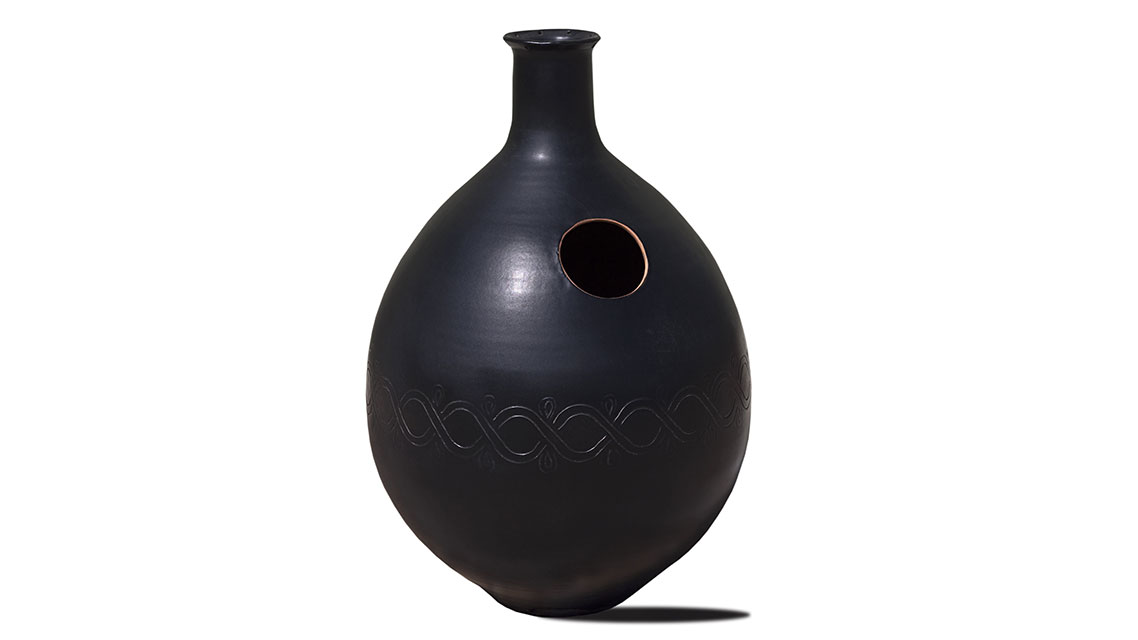
Udu

[vc_row row_type="row" use_row_as_full_screen_section="no" type="full_width" text_align="left" video="" css_animation="" box_shadow_on_row="no"][vc_column][vc_column_text]The udu is a plosive aerophone (in this case implosive) and an idiophone of the Igbo of Nigeria. In the Igbo language, ùdù means 'vessel'. Actually being a water jug with an additional hole, it was played by Igbo women for ceremonial uses. Usually the udu is made of clay. The instrument is played by hand. The player produces a bass sound by quickly hitting the big hole. There are many ways that the pitches can be changed, depending on how the hand above the small upper hole is positioned. Furthermore, the whole...

Guzheng

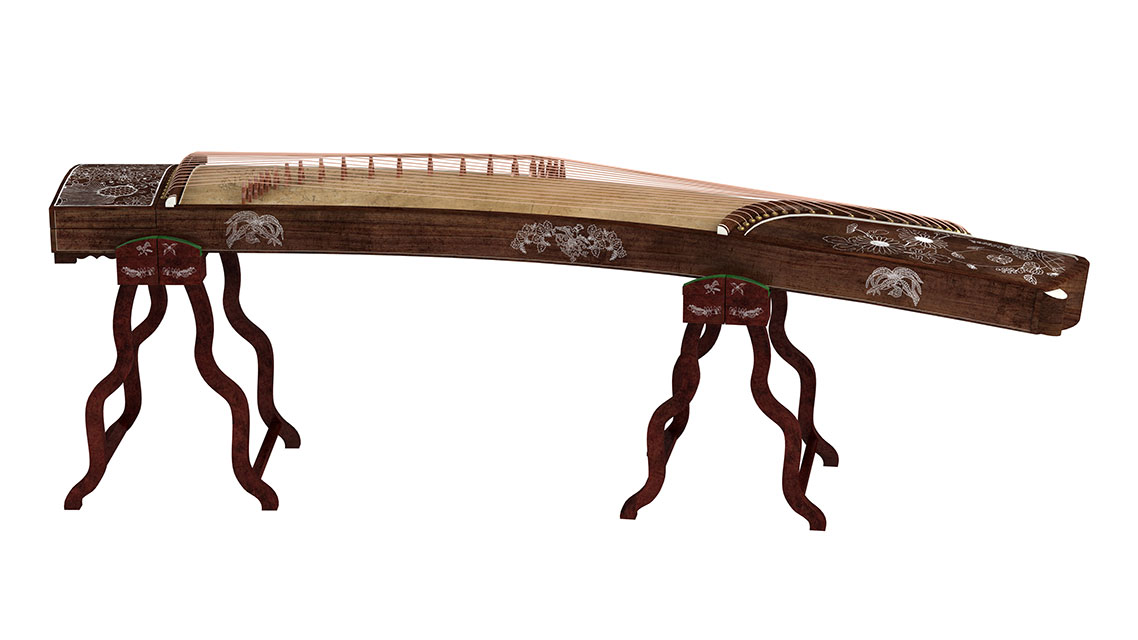
Guzheng

[vc_row row_type="row" use_row_as_full_screen_section="no" type="full_width" text_align="left" video="" css_animation="" box_shadow_on_row="no"][vc_column][vc_column_text]The guzheng, also known as the Chinese zither, is a Chinese plucked string instrument with a more than 2,500-year history. It has 16 (or more) strings and movable bridges. The modern guzheng usually has 21 strings, and is 64 inches (1,600 mm) long. It has a large, resonant cavity made from wutong wood. Other components are often made from other woods for structural or decorative reasons. Guzheng players often wear fingerpicks, made from materials such as ivory, tortoiseshell, resin or hard plastic, on one or both hands.[/vc_column_text][vc_separator type="transparent" up="12"][vc_column_text]The guzheng inspired other Asian zithers, such as the Japanese koto, the Korean gayageum and the Vietnamese đàn...

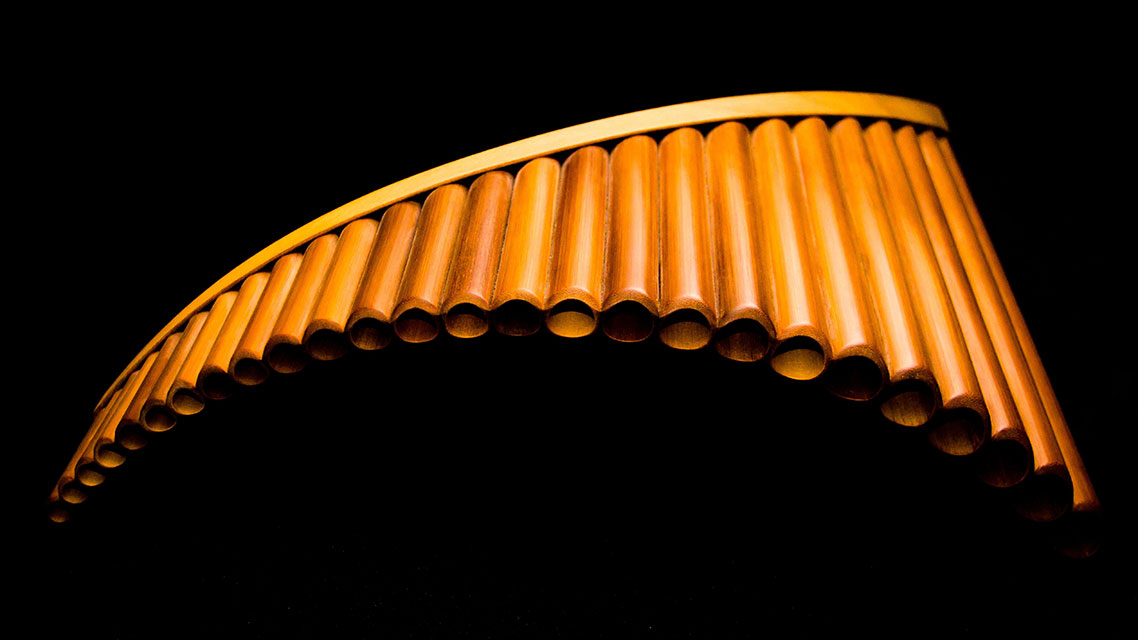
Nai (Romanian Pan Flute)

Nai (Romanian Pan Flute)

[vc_row row_type="row" use_row_as_full_screen_section="no" type="full_width" text_align="left" video="" css_animation="" box_shadow_on_row="no"][vc_column][vc_column_text]The nai is a Romanian diatonic pan flute used since the 17th century and used in lăutari bands.[/vc_column_text][vc_separator type="transparent" up="12"][vc_column_text] Structure [/vc_column_text][vc_column_text]The nai has usually at least 20 pipes made of bamboo or reed. They are arranged in a curved array, allowing a greater speed of play. Generally the longer, lower pipes are on the right. The pitch of each pipe is adjusted with beeswax; usually nais are tuned in G for Romanian folk music, or in C for classical. Traditional Romanian pan flutes have tubes with varying diameters which go from...

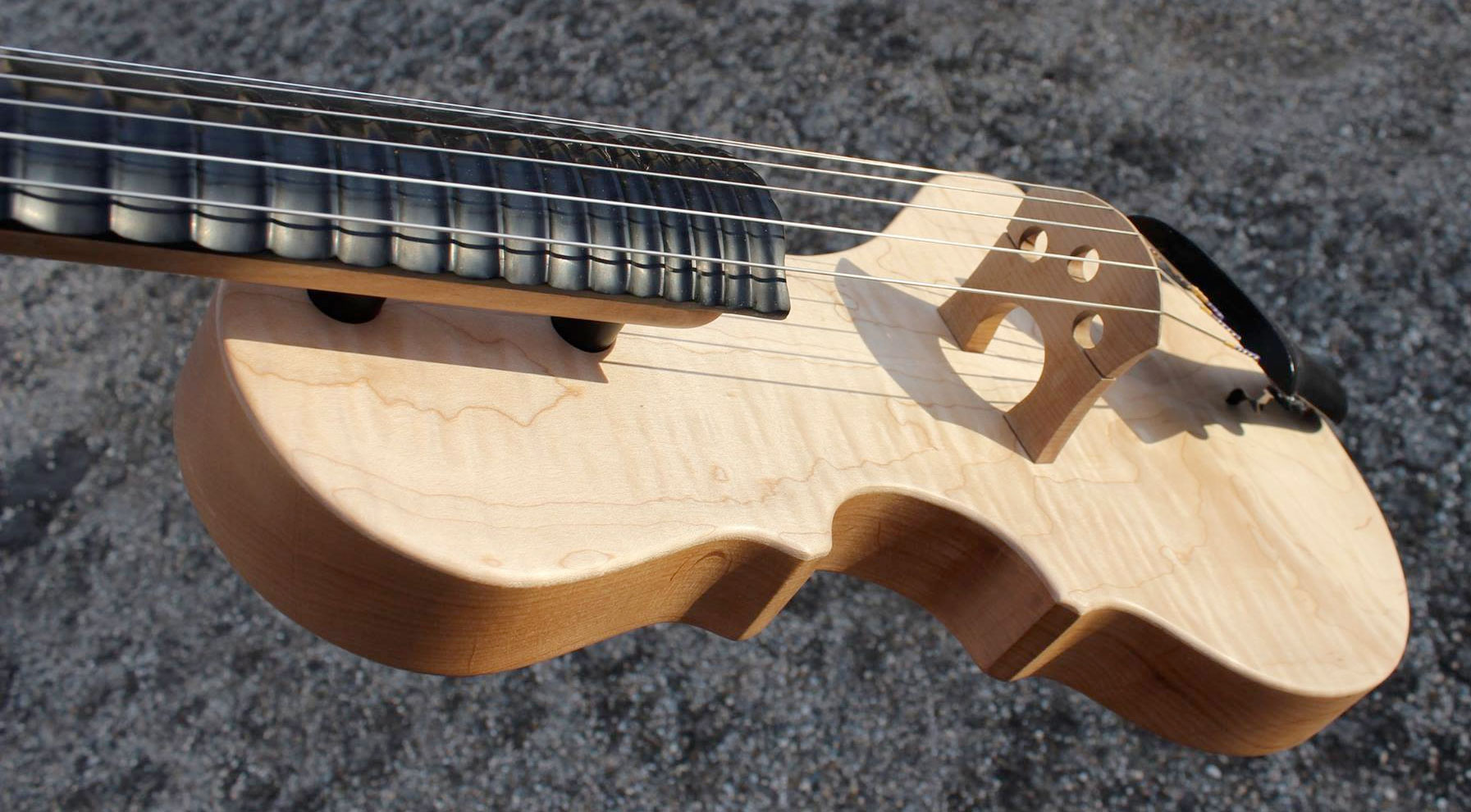
GuitarViol

GuitarViol

[vc_row row_type="row" use_row_as_full_screen_section="no" type="full_width" text_align="left" video="" css_animation="" box_shadow_on_row="no"][vc_column][vc_column_text]GuitarViols are essentially guitar formatted viola/cello hybrids (think of them as bowed guitars taken a few steps further). They are mostly tuned EADGBE like a guitar and configured like a violin/viola/cello (bowed stringed instrument). They are the creation of Jonathan Eric Wilson and are his modern 21st century interpretation of a similar instrument called the Arpeggione that had a short life in the early 19th century. Though early versions had 24 metal frets, newer versions have proprietary one...

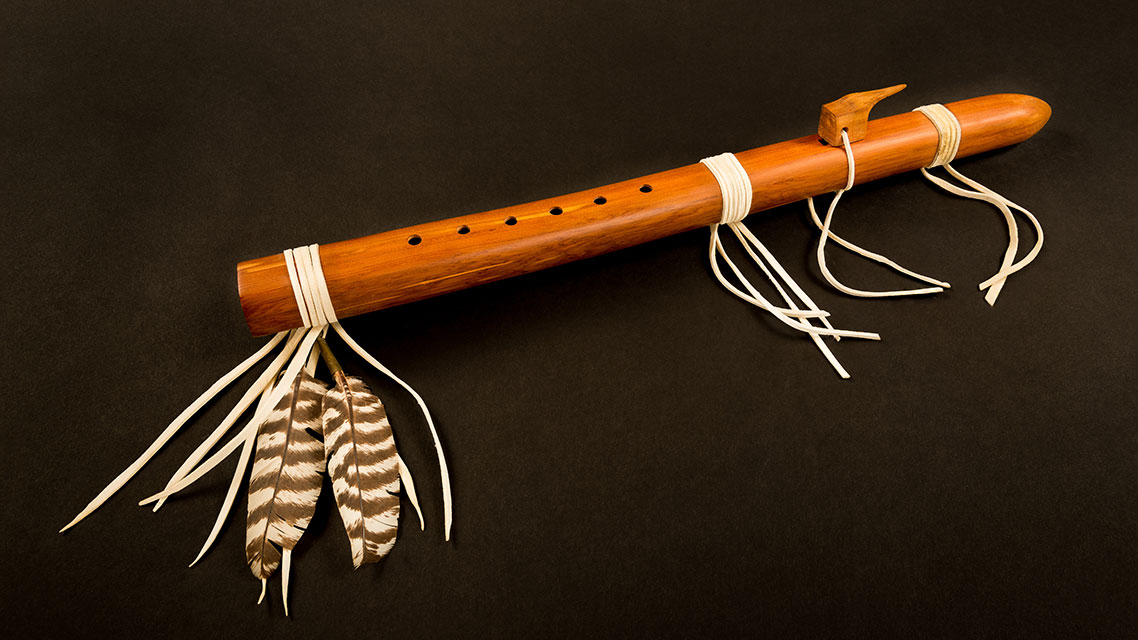
Native American Flute

Native American Flute

[vc_row row_type="row" use_row_as_full_screen_section="no" type="full_width" text_align="left" video="" css_animation="" box_shadow_on_row="no"][vc_column][vc_column_text]The Native American flute is a flute that is held in front of the player, has open finger holes, and has two chambers: one for collecting the breath of the player and a second chamber which creates sound. The player breathes into one end of the flute without the need for an embouchure. A block on the outside of the instrument directs the player's breath from the first chamber — called the slow air chamber — into the second chamber — called the sound chamber. The design of a sound...

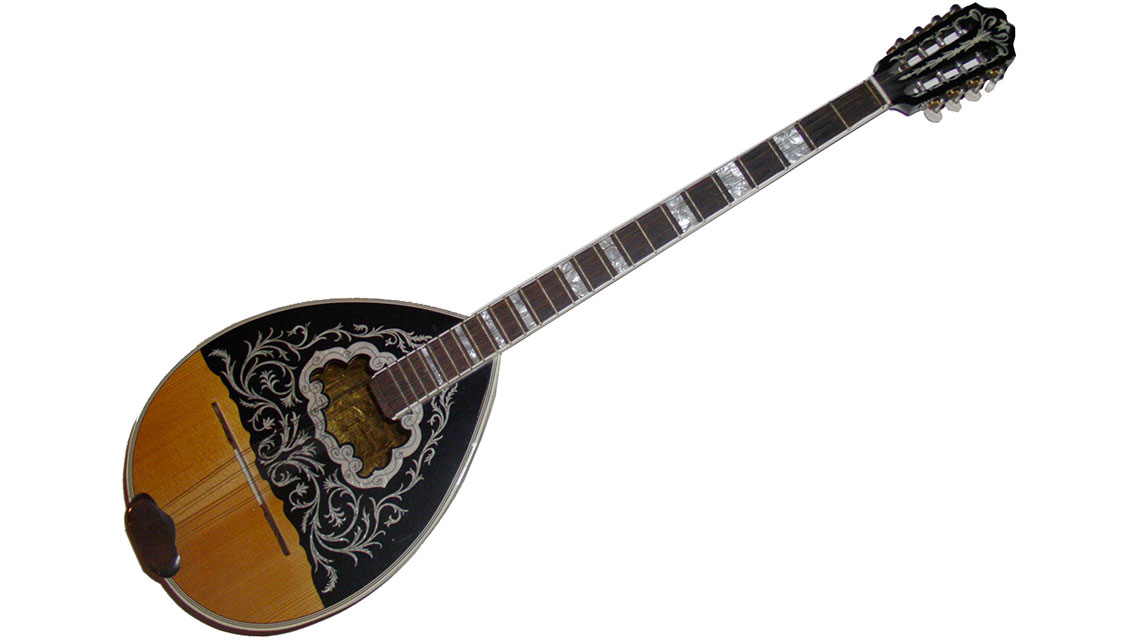
Bouzouki

[vc_row row_type="row" use_row_as_full_screen_section="no" type="full_width" text_align="left" video="" css_animation="" box_shadow_on_row="no"][vc_column][vc_column_text]The bouzouki is a Greek musical instrumentthat was brought to Greece in the 1900s by Greek immigrants from Asia Minor, and quickly became the central instrument to the rebetika genre and its music branches. A mainstay of modern Greek music, the front of the body is flat and is usually heavily inlaid with mother-of-pearl. The instrument is played with a plectrum and has a sharp metallic sound, reminiscent of a mandolin but pitched lower. There are two main types of bouzouki. The trichordo (three-course) has three pairs of strings (known as courses), and the tetrachordo (four-course) has four pairs of strings.[/vc_column_text][vc_separator...

Oud

Oud

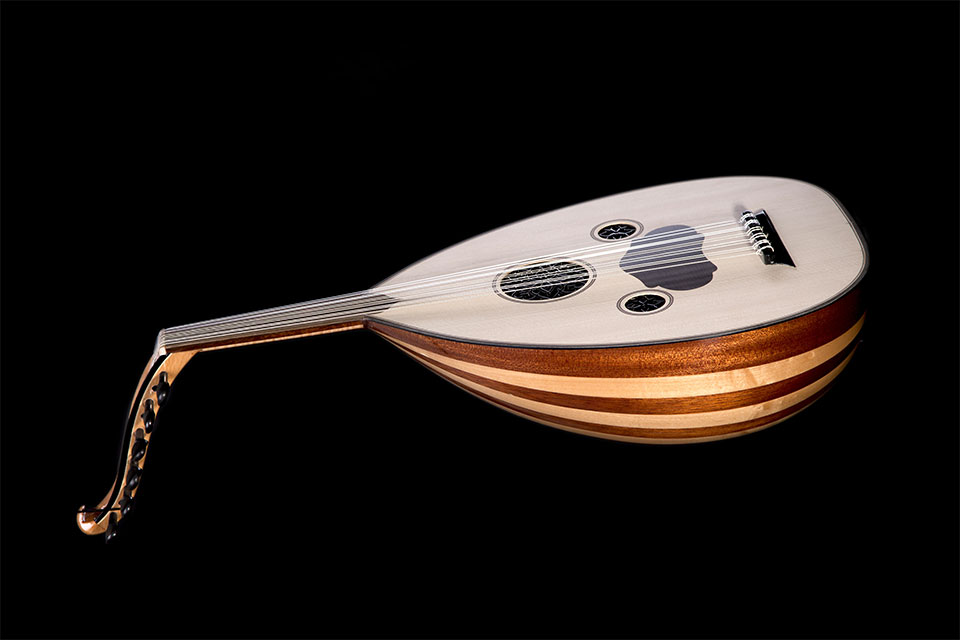
[vc_row row_type="row" use_row_as_full_screen_section="no" type="full_width" text_align="left" video="" css_animation="" box_shadow_on_row="no"][vc_column][vc_column_text]The oud is a short-neck lute-type, pear-shaped stringed instrument with 11 or 13 strings grouped in 5 or 6 courses, commonly used in Persian, Greek, Turkish, Jewish, Byzantine, Azerbaijani, Arabian, Armenian, North African (Chaabi, Classical, and Spanish Andalusian), Somali and Middle Eastern music.[/vc_column_text][vc_separator type="transparent" up="12"][vc_column_text]In the first centuries of Arabian civilisation, the oud had 4 courses (one string per course – double-strings came later) only, tuned in successive fourths. These were called (for the lowest in pitch) the Bamm, then came (higher to highest in pitch) the Mathnā, the Mathlathand the Zīr. A fifth string (highest in pitch, lowest in its positioning...

Pianolin

Pianolin

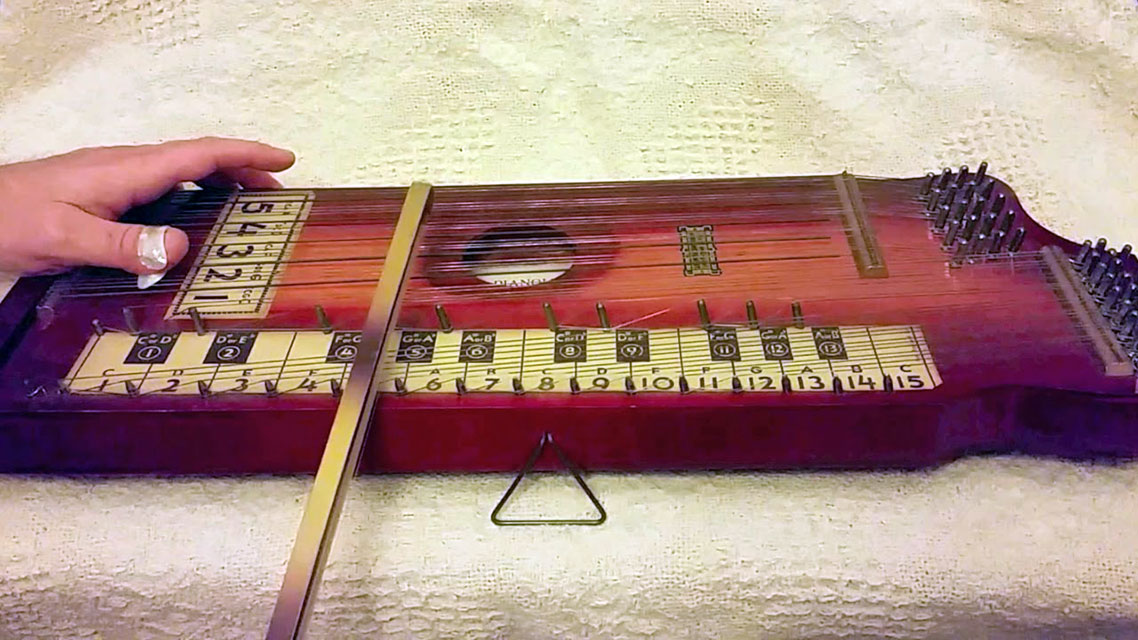
[vc_row row_type="row" use_row_as_full_screen_section="no" type="full_width" text_align="left" video="" css_animation="" box_shadow_on_row="no"][vc_column][vc_column_text]The pianolin is a string instrument with two sets of strings, one that’s played with a bow and a smaller set that’s strummed. The piano-like “keyboard” indicates the melody notes. It was invented by Henry Charles Marx (1875-1947), a concert violinist and music teacher who also invented several unusual instruments.[/vc_column_text][vc_separator type="transparent" up="12"][/vc_column][/vc_row][vc_row row_type="row" use_row_as_full_screen_section="no" type="full_width" text_align="left" video="" css_animation="" box_shadow_on_row="no"][vc_column][vc_separator type="transparent" up="12"][vc_row_inner row_type="row" type="full_width" use_row_as_full_screen_section_slide="no" text_align="left" css_animation="" box_shadow_on_row="no"][vc_column_inner width="1/6"][/vc_column_inner][vc_column_inner width="2/3"][no_separator_with_icon border_style="solid" color="#222222" thickness="1" up="12" down="48" type="with_icon" icon_pack="font_awesome" fa_icon="fa-video-camera" icon_type="normal" separator_icon_position="center"...

Quena

Quena

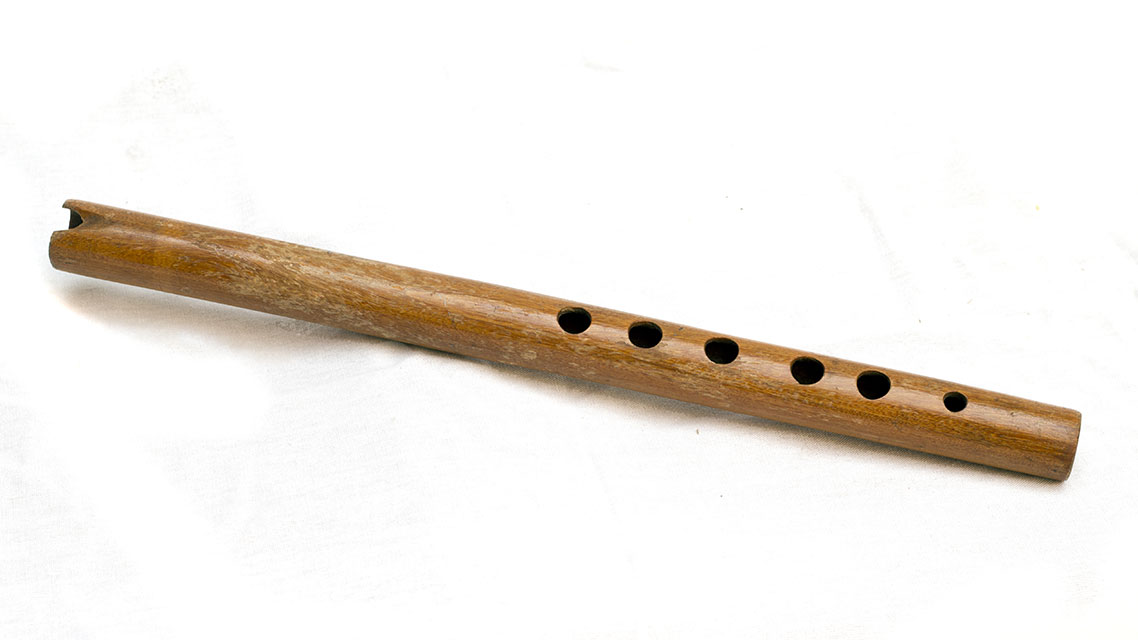
[vc_row row_type="row" use_row_as_full_screen_section="no" type="full_width" text_align="left" video="" css_animation="" box_shadow_on_row="no"][vc_column][vc_column_text]The quena (hispanicized spelling of Quechua qina, sometimes also written kena in English) is the traditional flute of the Andes. Traditionally made of cane or wood, it has 6 finger holes and one thumb hole, and is open on both ends or the bottom is half-closed (choked). To produce sound, the player closes the top end of the pipe with the flesh between the chin and lower lip, and blows a stream of air downward, along the axis of the pipe, over an elliptical notch cut into the end. It is...